Dealing With Stress

FREE 30 minute telephone session

FREE 30 minute telephone session

Dealing With Stress counselling

Stress is nicknamed the silent killer! it is rare that people are aware of the amount of stress they are under.

Almost everyone experiences stress from time to time and, while a small amount of stress can motivate us, too much or prolonged stress can be damaging to both our physical and mental health. For some people, stress causes them to adopt unhealthy coping methods such as smoking or drinking – and while this may feel like a quick fix, ultimately these are only covering the issue.

Here, we’ll look at what stress is, its causes, symptoms, and how counselling can help.

Stress is an innate reaction resulting from our caveman days. Humans had to deal with threatening situations, which caused our brains to release a range of ‘stress chemicals’ such as cortisol and adrenaline to provoke what is known as the fight-or-flight reaction. The fight reaction would give us a burst of energy, ready to fight for our lives, while the flight reaction would encourage us to flee from danger and protect ourselves. These days, we rarely encounter threatening situations, however, our brains continue to react in this way when we are under pressure.
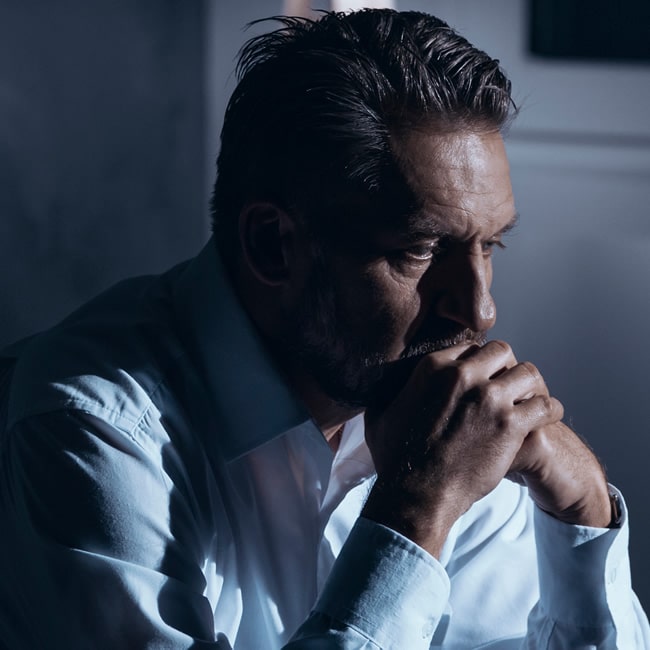
Dealing With Stress Or Depression counselling

Stress typically begins as pressure – from ourselves or others – and if we are unable to cope with this pressure, we feel stressed. The effects of stress will differ from person to person but, if left untreated, it can lead to illness.

 When we experience pressure without an option for fight-or-flight, the stress chemicals can build up and affect our immune system and blood pressure. Over time, this build-up of stress can affect our mental health, too, leading to anxiety, depression, and other mental health problems.


Psychosomatic disorder

this is a physical illness or other condition caused or aggravated by a mental factor such as internal conflict (worry) or stress:
I thought it was worth talking about psychosomatic disorder Here because in my experience people rarely link mental stress with Real physical symptoms.
Psychosomatic disorder is a condition where Actual physical pain with symptoms around the body Can start (And become debilitating at times) Often without any medical explanation, all as a result of stress.

Psychosomatic disorder can affect almost any part of the body. Common examples include:

  • Fatigue
  • Insomnia
  • Aches and pains, such as muscle pain or back pain
  • High blood pressure (hypertension)
  • Trouble breathing (dyspnoea, or shortness of breath)
  • Indigestion (upset stomach)
  • Eating disorders
  • Stomach ulcers (peptic ulcer disease)
  • Headaches and migraines
  • Erectile dysfunction (impotence)
  • Skin rash (dermatitis)

What causes psychosomatic symptoms?

Scientists aren’t sure. Some believe that stress releases hormones and chemicals in the body that cause damage or dysfunction.

How common is somatic symptom disorder?

Somatic symptom disorder is common, occurring in about 5% to 7% of the general population. For reasons that are not understood, women have somatic pain about 10 times more often than men.

Studies have found that certain things may make people more likely to have somatic symptoms:

  • Chaotic lifestyle.

  • Difficulty recognizing and expressing emotions.

  • Childhood neglect.

  • History of sexual abuse.

  • Other psychological conditions, such as depression or personality disorders.

  • Substance abuse (such as alcoholism or drug addiction).

  • Unemployment.

Causes of Stress

There are many things in life that can cause stress, including work, relationships, family issues and financial problems. Many other situations can cause stress, and the causes will depend on the individual – what may induce stress for one person may not be stressful for another. Having said this, most stressful situations are associated with change or a lack of control. Even if the change is a positive one, it can still be stressful.

Some common causes of stress include:

  • getting married
  • moving house
  • having a baby
  • serious illness
  • bereavement
  • divorce

In some cases, the absence of change or activities in life can be another source of stress. As well as events like these, stress can also be caused by long-term circumstances, such as:

  • being unemployed
  • having financial issues
  • relationship difficulties
  • caring for a disabled family member/friend problems at work

Stressful events outside the norm of human experiences, such as being abused, putting your body or mind through something it can’t process/comprehend, may lead to post traumatic stress disorder (PTSD).

Recognising what causes you stress and learning how to manage these feelings effectively, ultimately, is the healthiest and most effective way to feel good and live a happy life.

Symptoms of stress

Different people experience stress in different ways. Some people have a high tolerance and some people have a low tolerance, this becomes dangerous as you are rarely aware of when your mind start becoming emotionally or mentally stressed, or indeed how much stress you are under and where your personal tolerance levels are. that said there are certain symptoms that are commonly associated with stress that we can watch out for, These can affect us both emotionally and physically.

Emotional stress symptoms

  • Unable to manage your anger/moods (Internally all externally)

  • feeling agitated, frustrated, or Paranoid

  • unable to control emotions, feeling overwhelmed and teary

  • feeling anxious

  • having a low sense of self-esteem

  • avoiding other people and social situations

  • Physical stress symptoms (psychosomatic)

  • using alcohol/drugs/food to seek comfort or escape

  • difficulty sleeping

  • digestive problems and upset stomach

  • feeling dizzy

  • sweating excessively

  • experiencing chest pains or palpitations.

4 Simple Steps

How it works

In simple straightforward terms, here's how we can help you...

contact me
1. Contact us

By phone, email or using the contact form on the contact page, whichever is easiest and most comfortable for you

Improving communication
2. Initial consultation

This can be done by a 30 minute free phone session. This is about finding out about you and your needs.

counselling sessions Wakefield
3. Repeat sessions

Depending on your needs will depend on the number of sessions needed, each session will help you get over your problem

Help with relationships
4. Aftercare

With ongoing help and support throughout, we'll be there to help if you need help after our sessions for a catchup

Sessions for Individuals & Couples

Session Pricing

The amount of sessions can be discussed and agreed at the beginning, however, we will reflect on progress every 6th session.

Individual Sessions
£60 1 Hour
  • Free 30min telephone/online session
  • Sessions are weekly
  • Reviewed every 6th session
Couples Sessions
£80 90 Minutes
  • Free 30min telephone/online session
  • Sessions are weekly
  • Reviewed every 6th session
DID YOU KNOW

Seeking help for yourself, helps others

We work with broken/marginalised people for free, so a portion of the cost of counselling sessions will help fund this. So not only will you be getting a first rate counselling service but you will be helping other people in their hour of need.