FREE 30 minute telephone session
Self confidence and esteem counselling
How is self-confidence different from self-esteem?
Although the two terms are often used interchangeably, there are key differences between self-confidence and self-Esteem, Confidence is linked with the external world, such as how others see us, how we present ourselves, and what we achieve. Self-esteem, however, is more internal. It’s about our own relationship with ourselves and how we feel deep down about who we are.
The two traits are linked but not always connected. As a result, self-confidence can evolve alongside self-esteem or independently.
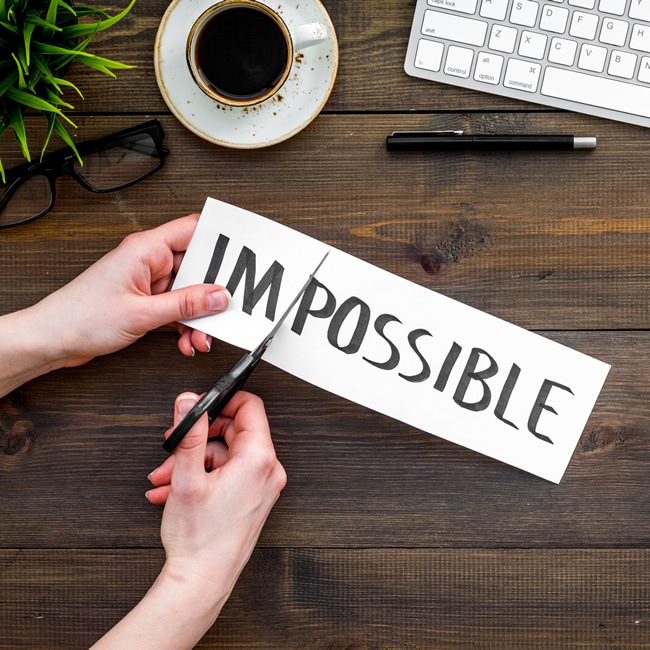
Low self-esteem
Over time, low self-esteem can have a negative impact on our mental health. You may also find having certain mental health conditions impacts your self-esteem. Here, we will be looking into self-esteem more, discussing what can impact it, how it links to our mental health and how counselling can help.
What is low self-esteem?
When we have low self-esteem we can see both ourselves and the world around us in a negative light. We may feel unhappy and find it more difficult to cope with challenges when they come up.
If you have low self-esteem, you may struggle to value yourself. This can affect your life in a number of ways. You may find it difficult to like who you are and struggle in relationships. Low self-esteem can make it tough for you to believe in yourself, so you might struggle to try new things and take risks.
If you make a mistake, you might take it to heart and find it hard to move on. Your self care may suffer and you may prioritise other people’s feelings and needs above your own. Self-esteem can however be built, so if this is ringing true, please know that it doesn’t have to stay this way.
When you start to accept, value and like yourself, these struggles start to ease. You may feel more confident socialising and communicating in relationships. When new opportunities present themselves, you’re more likely to push yourself to go for them. You’ll find it easier to learn from mistakes and move onwards and upwards. Self-care can become a priority, allowing you to look after yourself better and thus, be better able to support others.
What are the signs of low self-esteem?
There are a number of different signs that you could have low self-esteem. You might exhibit some or all of these. They can include (but aren’t limited to):
- saying or thinking negative things about yourself
- being self-critical
- feelings of sadness, depression, anger, anxiety, shame or worthlessness
- blaming yourself for things that go wrong (even if they are out of your control)
- repeatedly joking about yourself in a negative way
- ignoring your achievements in favour of focusing on your mistakes or self-perceived negatives
- avoiding challenges due to fear of failure
- believing others are better than you
- thinking you don’t deserve to have nice things or fun experiences
- refusing to accept compliments
- feeling overly upset by any criticism, disapproval, or negative feedback
What are the causes of low self-esteem?
Everyone will have different things in their life that affect self-esteem. For some people, self-esteem changes suddenly (for example, after a stressful life event) while, for others, low self-esteem may be something they’ve lived with for a long time.
Often your opinion of yourself is built in your early years. You may have experienced authority figures who were disapproving. Being criticised a lot in childhood can lead you to form the opinion that you’re ‘not good enough’. Being bullied in childhood can also have a lasting impact on your sense of self-esteem, long after the bullying stops.
Other life events that can affect your self-esteem include:
- experiencing abuse (of any kind)
- experiencing Discrimination or stigma
- Relationship issues
- ongoing stress
- difficulties at work/school
- body image worries
- problems with money or housing
- losing your job, of finding it hard to get a job
It’s also important to acknowledge the influence of society and the media. With social media especially, more of us than ever before have access to other people’s lives, thoughts and opinions. As no one has created a ‘truth’ filter for this information (yet), much of what we see is curetted, perfected and… false.
Understanding the source of your low self-esteem can help you understand yourself better and start taking steps to build it up.